

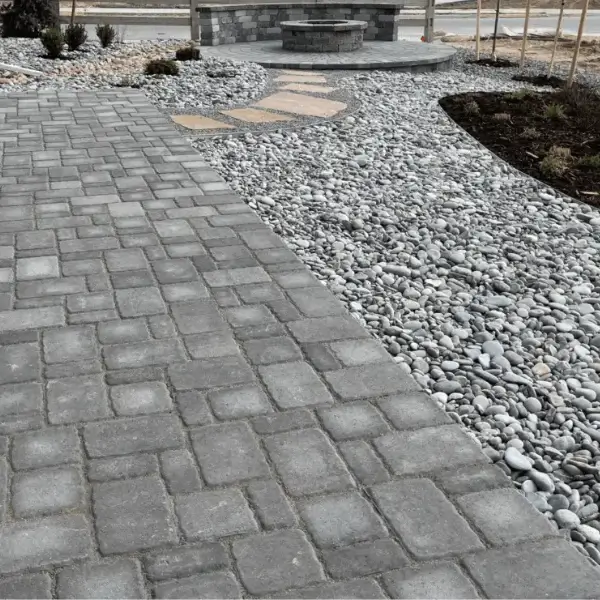
Fall is the best season to design a Colorado landscape. The summer heat is gone, plants are going dormant, and you can see exactly how your yard drains, where the sun falls, and which areas struggled all season. A plan made now lets you start installation while the ground is still workable, or have everything approved and scheduled for the first warm weeks of spring.
This guide covers what to focus on in a fall design: water-wise xeriscape planting, hardscape that holds up to freeze-thaw cycles, and patio layouts that work for the way you live outside.
Why Fall Is the Right Time to Design
Most homeowners start thinking about their yard in April. By then, designers and installation crews are booking weeks out, HOA review boards are busy, and the best planting windows are short. Starting in fall gives you a head start on all three.
- You can see the problems clearly. Dead patches of turf, low spots that held water after storms, and slopes that eroded over the summer are all easy to spot now.
- HOA approval takes time. Many Littleton, Highlands Ranch, Parker, and Castle Pines neighborhoods require plans before any work begins. Submitting in fall or early winter means you are not waiting on approval when spring arrives.
- Some work can start right away. Hardscape installation often continues into late fall and through mild stretches of winter, as long as the ground isn’t frozen.
- Cool weather helps new plants. Trees, shrubs, and many perennials planted in early fall put energy into roots instead of leaves, so they go into spring better established.
Our landscape design-build team handles the plan and the installation, so the design you approve in the fall is the one that gets built. If you want to know what that process looks like step by step, see what to expect from a professional landscape design.
Xeriscape: Design for Less Water From the Start
Xeriscape is landscaping designed around low water use, and the term was coined by Denver Water. It doesn’t mean gravel and cactus. A well-designed xeriscape uses native and adapted plants, grouped by how much water they need, with efficient irrigation and mulch to keep moisture in the soil.
Fall is a good time to plan a xeriscape conversion because you can decide which turf areas to remove before the next watering season. A typical fall xeriscape plan includes:
- Turf reduction. Keep grass where it gets used, such as a play area or a dog run, and replace the rest with planting beds, rock, or artificial turf.
- Hydrozones. Plants with similar water needs go together, so each irrigation zone waters only what it needs.
- Soil prep. Front Range clay soil drains slowly. Amending beds before planting helps roots establish and keeps water from pooling.
- Drip irrigation. Converting spray heads in planting beds to drip puts water at the roots and cuts waste from wind and evaporation.
Many Front Range water providers offer turf replacement or water-efficiency programs. Check with yours before you finalize the plan, since some programs need approval before work starts.
For more on the benefits, read our water-wise guide to xeriscape in Colorado, see our xeriscape landscaping services, or look at a finished Parker xeriscape project.
Hardscape: Build for Colorado Freeze-Thaw Cycles
Hardscape is the built part of a landscape: patios, walkways, retaining walls, steps, fire features, and edging. In Colorado, the biggest threat to hardscape is the freeze-thaw cycle. Water gets into cracks and joints, freezes overnight, expands, and slowly pushes materials apart.
Good hardscape design accounts for this from the beginning:
- Base preparation. A properly excavated and compacted gravel base is what keeps pavers and walls from shifting. Most hardscape failures trace back to a thin or poorly compacted base.
- Drainage. Patios and walkways need a slight slope away from the house so water runs off instead of sitting on the surface or flowing toward the foundation.
- Material choice. Interlocking pavers flex with ground movement and can be lifted and reset if needed. Stamped concrete gives a continuous surface with the look of stone or brick. Both work well here when they are installed correctly.
- Timing. Pavers can be installed in cooler weather as long as the ground isn’t frozen. Concrete needs to stay above freezing while it cures, so pours are scheduled around the forecast.
You can see examples of our work on the hardscapes project page.
Patio Design Ideas That Work in Every Season
A patio is usually the center of a backyard design, and fall is a good time to think about how you want to use it in all four seasons, not only in July. A few layouts and features to consider:
Tiered Patios for Sloped Lots
Many lots in Castle Rock, Castle Pines, and Parker slope away from the house. A tiered patio uses two or more levels connected by steps or short retaining walls. Each level can have its own purpose, such as dining on the upper tier and a fire pit on the lower one. We cover tiered, circular, and covered layouts in more detail in innovative patio designs.
Fire Features for Cool Evenings
Colorado evenings cool off quickly, even in summer. A built-in fire pit or outdoor fireplace extends patio season well into fall and gives the space a clear focal point. Seating walls around a fire pit add permanent seating without crowding the patio with furniture.
Lighting for Shorter Days
Once daylight saving time ends, it gets dark before most people are home from work. Path lights, step lights, and wall lights make a patio usable after dark and improve safety on steps and walkways. Planning outdoor lighting during the design stage lets wiring run under the hardscape before it is installed.
Mixing Hardscape and Planting
Patios feel more comfortable when they are surrounded by planting instead of bare rock. Xeric beds around the edge of a paver patio soften the space, add color, and use far less water than turf. For more ideas on combining features, see adding fire pits, seating walls, and water features to your paver patio.
Finish the Season Before the First Hard Freeze
Before you plan new work, take care of the existing landscape. Your sprinkler system should be blown out before the first hard freeze to keep pipes, valves, and backflow devices from cracking. If yours hasn’t been done yet, schedule a sprinkler blowout now. It’s also a good time to clean up leaves, cut back spent perennials, and note which irrigation zones had problems this year, since that information will shape the new design.
Questions to Ask Before Your Fall Design Consultation
- Which areas of turf do we actually use, and which could become xeriscape?
- Does my HOA require approval, and how long does review usually take?
- Can any part of the project, such as the patio or walls, be installed this fall or winter?
- Should the project be phased over more than one season to fit the budget?
- Will my existing sprinkler system need changes to match the new planting zones?
Start Your Design This Fall
Omni Landscape and Sprinklers has designed and installed landscapes across Denver, Littleton, Highlands Ranch, Centennial, Parker, Castle Rock, Castle Pines, Englewood, and Lakewood. If you want a yard that uses less water, holds up to Colorado winters, and gives you a patio you will use for more than a few months a year, fall is the time to start. Request a design consultation and we’ll help you put a plan in place before spring.