

A professional landscape design in Parker, CO moves through five steps: consultation, design, material selection, installation, and a final walkthrough. Most homeowners know how they want their yard to feel. Fewer know how long the process takes, what it produces, or which decisions will be theirs to make.
This guide covers each step, what you’ll be asked to decide along the way, and the Parker conditions that shape a good plan: heavy clay soil, sloped lots, and HOA review.
Step 1: The Initial Consultation
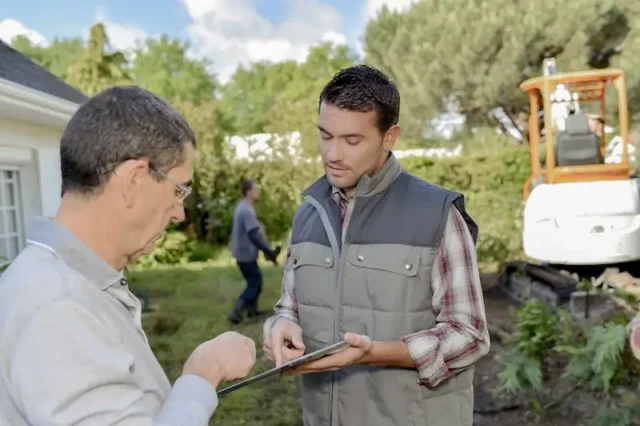
Every project starts with a conversation on your property. Your designer walks the yard with you and asks how you use it now, what isn’t working, and what you’d like it to do in five or ten years.
Come prepared with:
- A budget range. Even a rough one lets the designer propose a plan you can build, or phase over a few seasons.
- Inspiration photos. Three or four images you love say more than a long description.
- Your HOA guidelines. Many Parker neighborhoods regulate fencing, plant choices, and hardscape materials, and most require approval before work begins.
- A list of problems. Standing water after storms, a slope you can’t mow, a patio that bakes in the afternoon sun.
Parker lots tend to share a few challenges: sloped grades, dense clay soil that drains slowly, and wind exposure on open lots. A designer who works here regularly accounts for these from the first visit, so they don’t surface as change orders later.
Step 2: The Design Phase
After the consultation, your designer turns the conversation into a plan. For a small project that may be a single layout drawing. For a full yard, expect a detailed set that covers:
- Grading and drainage
- Hardscape layout: patios, walkways, walls
- Planting beds and tree placement
- Irrigation zones
- Outdoor lighting
You’ll review the plan, ask for changes, and approve a final version before anything is ordered. This is the cheapest point in the project to change your mind, so speak up. If your HOA requires design review, the approved drawings are what you submit.
At Omni Landscape, our design-build process keeps design and installation under one roof. The designer who draws your plan works directly with the crew that builds it, so what gets installed matches what you approved.
Step 3: Material and Plant Selection
This is where the plan starts to look like your yard. With your designer, you’ll choose:
- Hardscape: paver styles and colors, edging, boulders, and wall stone.
- Features: a fire feature, water feature, pergola, or outdoor kitchen.
- Plants: trees, shrubs, perennials, and grasses suited to each bed’s sun and soil.
In Parker, plant choice matters more than in most places. Summers are dry, winters swing between warm afternoons and hard freezes, and clay soil punishes plants that need fast drainage. Native and adapted species such as blue grama grass, Rocky Mountain penstemon, catmint, and serviceberry handle those conditions with far less water. A xeriscape approach can cut your water bill without giving up color.
Irrigation gets finalized here too. A properly zoned sprinkler system waters turf, shrubs, and perennials on separate schedules, which protects your plant investment through July and August.
Step 4: Installation
Once the design is approved and materials are on order, the crew builds in a set sequence so finished work isn’t damaged by what comes next:
- Demolition and grading
- Drainage and irrigation mainlines
- Hardscape: patios, walls, walkways
- Planting and soil amendment
- Irrigation heads, drip lines, and lighting
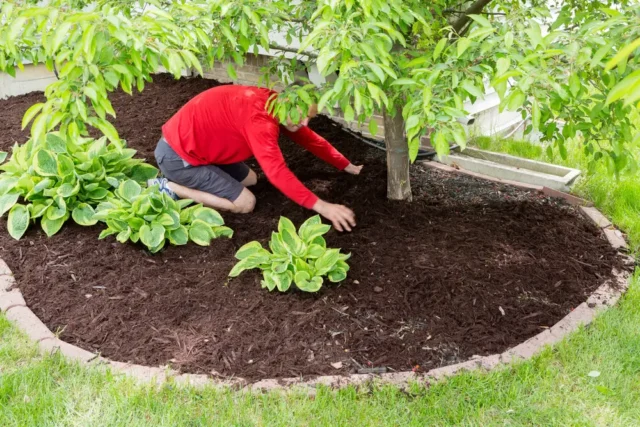
- Mulch, rock, sod, and cleanup
Most residential installs in Parker take a few days to a few weeks, depending on size. Weather and material lead times can shift the schedule, especially in spring when demand peaks. If you want to use your yard by summer, start the design conversation in winter.
Step 5: Walkthrough and Follow-Up
A good landscape company doesn’t disappear when the last paver is set. Before the project closes, your designer or project manager should walk the finished yard with you and cover:
- What was installed and where, including valve boxes and shutoffs
- How to run your irrigation controller and adjust it by season
- Watering needs for new plants during their first year, when they are most vulnerable
- Warranty terms on plants, hardscape, and irrigation
- Seasonal care, such as fall sprinkler blowouts before the first hard freeze
Keep a copy of your final plan. It makes future repairs and additions much easier.
Questions to Ask Before You Hire a Landscape Designer
Five questions separate a smooth project from a frustrating one:
- Do you design and build, or only one of the two? One team for both means one point of accountability.
- Have you worked in my neighborhood or with my HOA? Local experience shortens approval and avoids rework.
- Can I see finished projects like mine? Ask for photos of completed work at a similar size and style.
- How do you handle drainage and clay soil? The answer should be specific, not a shrug.
- What happens after installation? Look for a walkthrough, a written warranty, and someone who answers the phone.
Related Content: