

Water Restrictions Are Here — Is It Time to Rethink Your Lawn?
Water restrictions are now in effect across much of the Front Range, including Denver, Aurora, Parker, and Castle Rock. For many homeowners, that means watching a thirsty lawn struggle through the summer no matter how carefully the sprinklers are timed. But there’s a longer-term answer that doesn’t involve choosing between a green yard and a smaller water bill: xeriscaping.
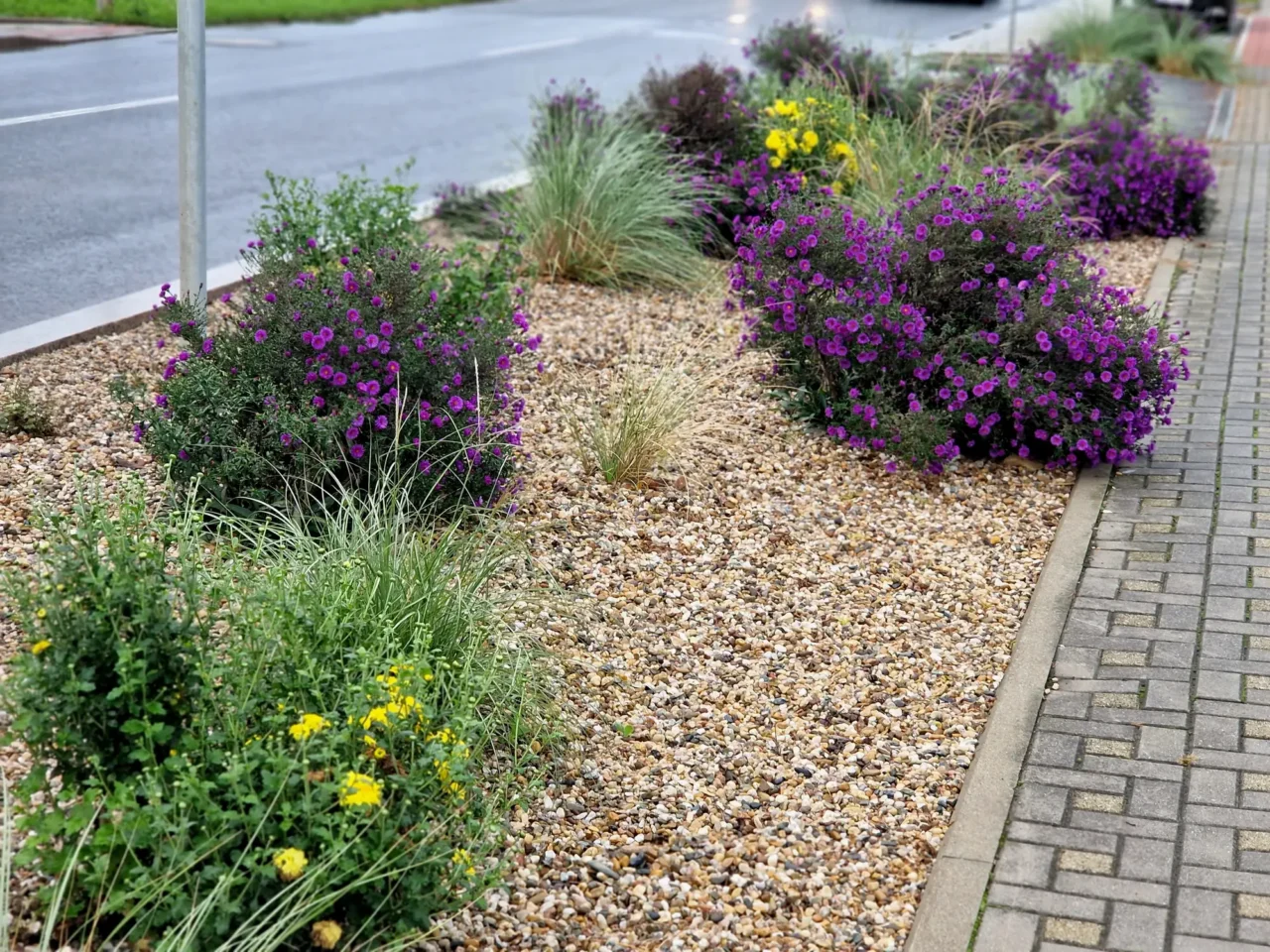
Xeriscape — landscaping designed to thrive with little supplemental water — isn’t about gravel and cactus. Done well, it’s a lush, colorful, distinctly Colorado landscape that shrugs off drought and watering rules alike. Here’s why more Front Range homeowners are making the switch, and what the benefits actually look like in practice.
What Is Xeriscaping, Exactly?
Xeriscaping is a landscaping approach built around water efficiency. It combines native and drought-tolerant plants, smart soil preparation, mulch, and materials like river rock, gravel, and boulders to create a yard that needs a fraction of the water a traditional turf lawn demands. The term comes from the Greek xeros, meaning dry — but a well-designed “Coloradoscape” is anything but barren.
The goal isn’t to eliminate plants. It’s to choose plants suited to Colorado’s semi-arid climate and group them by water need, so every drop is used efficiently. The result is a landscape that works with the Front Range environment instead of fighting it.
The Key Benefits of Xeriscape in Colorado
1. Dramatic Water Savings
This is the headline benefit. A conventional Colorado lawn can drink tens of thousands of gallons of water each summer. Xeriscaped yards routinely cut outdoor water use by half or more once established — and native plantings can survive on natural rainfall alone in many cases. With restrictions tightening across the Front Range, that saving is both a financial win and a compliance one.
2. Lower Maintenance, Year After Year
No more weekly mowing. No constant fertilizing. No overseeding a lawn that browns out by August. Native and adapted plants are built for local conditions, so once they’re established they need far less attention. Most xeriscape maintenance amounts to occasional weeding and a seasonal cleanup — a few hours a year instead of every weekend.
3. It Stays Beautiful Under Water Restrictions
When watering days are limited, a traditional lawn is the first thing to suffer. A xeriscape doesn’t depend on that schedule. Drought-tolerant plantings, decorative rock, and thoughtful design keep the yard looking sharp all season, restrictions or not. You’re never one hot week away from a brown lawn.
4. Habitat for Pollinators
Native Colorado plants support native wildlife. A well-planned xeriscape draws bees, butterflies, and birds, turning your yard into a small piece of functioning Front Range ecosystem — something a mono-culture lawn simply can’t do.
5. Real Curb Appeal & Home Value
Far from looking like a compromise, a professionally designed xeriscape adds visual interest that a flat green lawn lacks: varied textures, seasonal color, natural stone, and structure. As water-wise landscaping becomes the Colorado norm, it’s increasingly a selling point rather than an oddity.
6. Erosion Control & Healthier Soil
Strategic use of rock, mulch, and deep-rooted native plants helps manage runoff and hold soil in place — a genuine advantage on Colorado’s sloped lots and through our sudden summer downpours.
What a Colorado Xeriscape Looks Like: A Parker Project
To see these benefits in action, take a recent front-yard Xeriscape transformation Omni Landscape completed in Parker. The homeowner started with a struggling, water-hungry lawn — patchy, browning, and demanding constant watering it couldn’t legally get.
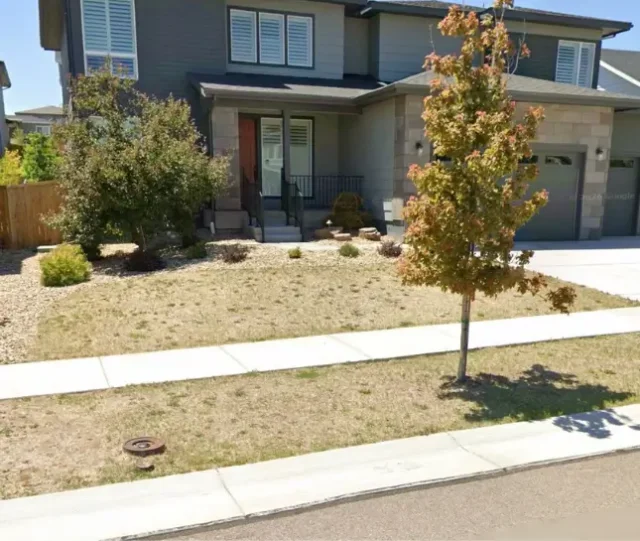
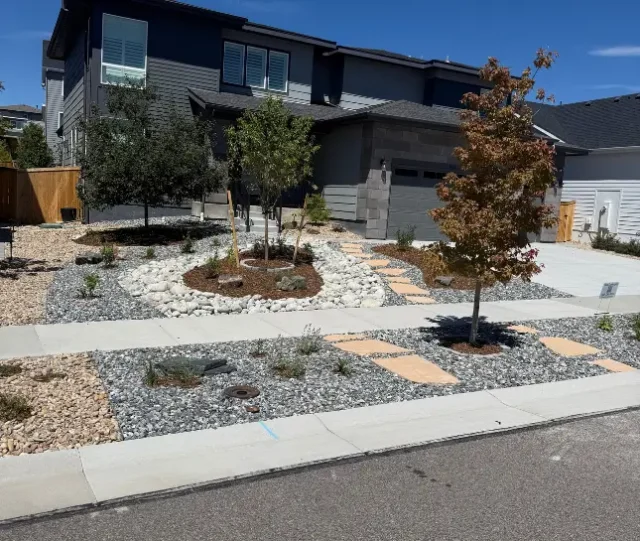
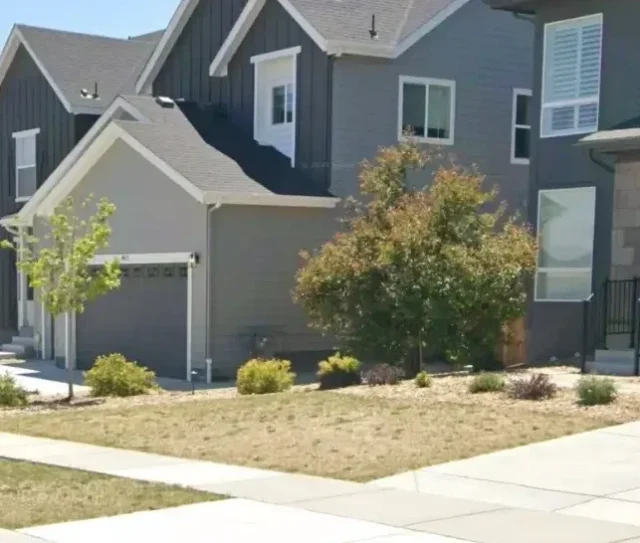

The finished design uses native plants, river rocks, accent boulders, and gravel to blend naturally with Colorado’s dramatic landscape. A dry creek bed of white river rock winds past flagstone stepping stones, new shade trees, and drought-tolerant plantings. The yard now needs a fraction of its former water — and it looks better than the lawn ever did, restrictions or not. That’s the “seamless mountain aesthetic” a good Coloradoscape delivers: water-wise where it counts, beautiful where it shows.
Xeriscape and Efficient Irrigation Work Together
Xeriscaping doesn’t have to be all or nothing. Many Front Range homeowners convert their highest-visibility, highest-water areas — usually the front yard — and fine-tune the irrigation on whatever lawn remains. An updated sprinkler controller, properly balanced zones, and leak-free lines make the rest of your landscape as efficient as possible.
The two strategies reinforce each other: xeriscape removes the thirstiest demand, and smart irrigation handles the rest without waste. Together they keep you compliant with local restrictions while keeping your whole property looking its best.
Is Xeriscaping Right for Your Yard?
If your lawn struggles under watering restrictions, your summer water bills keep climbing, or you’re simply tired of the mowing-and-watering treadmill, xeriscape is worth a serious look. It’s especially well-suited to Colorado’s climate — which is exactly what it’s designed for.
Every yard is different, and a good xeriscape starts with a plan built around your site, your soil, and how you want to use the space. Backed by owner experience dating to 1985, Omni Landscape designs and installs water-wise landscapes across the Front Range — from full lawn conversions to native plantings and dry creek beds like the one in Parker.
Ready to Save Water and Rethink Your Lawn?
Don’t let water restrictions leave your yard struggling. Whether you’re ready for a full xeriscape conversion or just want to make your current irrigation more efficient, Omni Landscape & Sprinkler can help you stay green while saving water.
Call today at (303) 781-3711 to schedule a consultation. Serving Denver, Parker, Castle Rock, Highlands Ranch, Littleton, Centennial, and surrounding communities.
Related Content: